
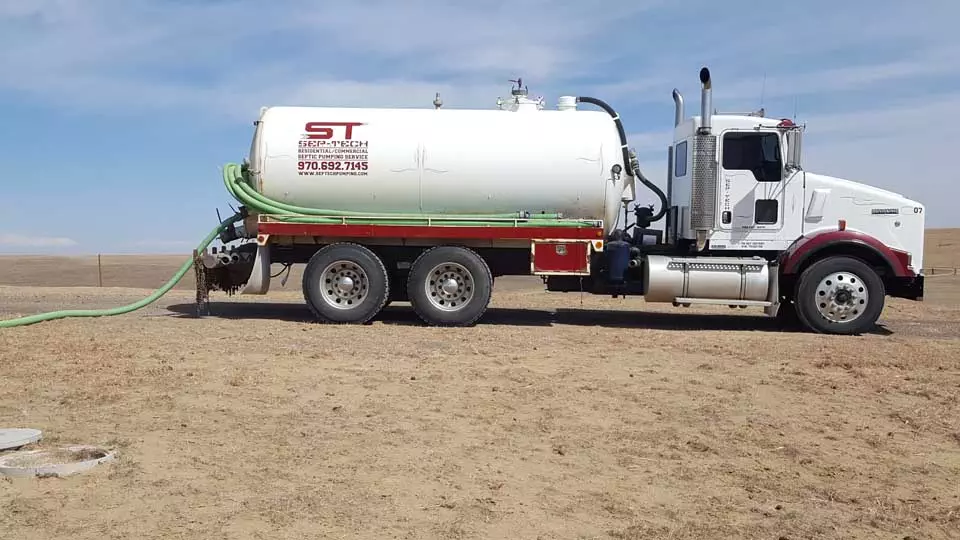
Septic Tank Pumping in Loveland Isn’t One-Size-Fits-All
If you live in Loveland and rely on a septic system, you’ve probably asked the same question most homeowners do. How often should I schedule septic tank pumping? The short answer is that it depends. The longer answer matters more because Loveland homes vary widely in age, location, and how their systems are used.
From older properties on the outskirts of town to newer homes built near expanding neighborhoods, septic needs change from one property to the next. Knowing what affects pumping frequency helps you avoid backups, protect your leach field, and keep repair costs under control.
Why Regular Pumping Matters
Septic tank pumping removes wastewater and floating solids that build up over time. Without pumping, those solids move toward the outlet and eventually into the drain field. Once that happens, repairs get expensive fast.
Pumping keeps your system working the way it was designed to work. It’s routine maintenance, not a fix for a problem. When homeowners skip it or wait too long, they usually find out when drains slow down or wastewater backs up into the house.
In Loveland, where soil conditions and water use vary from neighborhood to neighborhood, staying ahead of pumping schedules makes a big difference.
The General Rule for Pumping Frequency
Most septic systems need pumping every three to four years. That’s a good baseline for many Loveland homes, especially those with average water use and modern systems.
But that number shifts depending on how your household lives and how your system was built. Some homes need pumping more often. Others can go a little longer. The key is knowing which group you fall into.
How Home Size and Household Use Affect Pumping
One of the biggest factors is how many people live in the home. More people means more water moving through the tank every day. More water carries more solids.
A small household in Loveland might stay on a four-year pumping cycle without any issues. A larger family using the same tank size may need pumping every two years.
Water habits matter too. Long showers, frequent laundry loads, and heavy kitchen use all add strain to the system. Homes with garbage disposals also push more solids into the tank, which shortens the time between pump-outs.
The Role of Home Age in Loveland
Loveland has a wide range of home ages. Some properties date back decades, while others were built within the last ten years. Older homes often come with older septic systems.
Older tanks tend to:
- Hold less capacity
- Sit deeper underground
- Lack risers for easy access
- Accumulate sludge faster
These systems usually need more frequent pumping because they weren’t designed for modern water use. If your home is older and the septic tank hasn’t been updated, a shorter pumping cycle helps protect it.
Newer homes often have larger tanks, better access points, and improved flow design. Those systems handle waste more efficiently, which allows for a more predictable pumping schedule.
Rural vs Near-Urban Loveland Properties
Most homes inside Loveland city limits connect to municipal sewer systems. But once you move toward the edges of town or into county areas, septic systems become common.
Rural Homes
Rural properties around Loveland rely completely on their septic tanks. These homes often sit on larger lots and use more water for daily life. Outdoor water use, additional bathrooms, and long plumbing runs all increase demand.
Rural septic systems usually need pumping more often because they carry a heavier load. Two to three years between pump-outs is common for these properties.
Near-Urban Homes
Homes closer to town that still use septic systems tend to see more moderate use. These systems often stay healthy with pumping every three to four years, assuming regular inspections and steady water habits.
Soil Conditions Matter More Than You Think
Loveland sits in an area with varied soil composition. Some areas drain well. Others hold moisture longer. Soil that drains slowly puts more pressure on the leach field, which makes tank maintenance even more important.
When solids build up and reduce tank efficiency, poorly draining soil compounds the problem. Regular pumping keeps the system balanced and reduces the risk of wastewater backing up into the home or yard.
Septic Tank Locating Can Affect Your Schedule
Some Loveland homeowners don’t know exactly where their septic tank is located. This happens often with older properties where records are incomplete or landscaping has changed over the years.
When septic tank locating takes extra time, homeowners sometimes delay service. That delay usually leads to problems. Once the tank is located and accessed, it’s smart to stay on schedule so the process stays simple.
Installing risers after locating the tank makes future pumping easier and encourages consistent maintenance.
Signs You’re Overdue for Pumping
Even if you don’t know your last service date, your system gives clues when it’s struggling. Watch for:
- Slow drains
- Gurgling sounds in plumbing
- Standing water near the drain field
- Strong odors around the yard or home
These signs mean solids are building up and pumping is overdue. Waiting longer risks damage that pumping alone may not fix.
Pumping vs Repair
Septic tank pumping is preventive. Septic repair happens after something goes wrong. Many repairs start because pumping was skipped for too long.
Regular pumping helps avoid issues like broken baffles, clogged lines, and drain field failure. In Loveland, where repairs can mean excavation and major disruption, prevention saves both money and stress.
How Inspections Fit In
Pumping works best when paired with inspections. During pumping, technicians can check the tank’s condition, look for cracks, and measure sludge levels. This information helps adjust your pumping schedule based on how the system actually performs.
Inspections are especially important for older Loveland homes or properties that change ownership. New homeowners often inherit septic systems with unknown histories.
A Realistic Pumping Schedule for Loveland Homes
Here’s a simple breakdown many Loveland homeowners can follow:
- Small households with newer systems: every 3 to 4 years
- Larger families or homes with heavy water use: every 2 to 3 years
- Older homes with original tanks: every 2 to 3 years
- Rural properties with full-time use: every 2 years
These aren’t hard rules, but they provide a solid starting point.
Septic tank pumping in Loveland works best when it’s planned, not rushed. Your home’s age, location, and water use all shape how often service should happen. When you stay on schedule, your system lasts longer, drains better, and avoids costly repairs.
If you’re unsure when your tank was last pumped, that’s your sign to schedule service and get clarity. A simple pump-out today prevents much bigger problems down the road.