
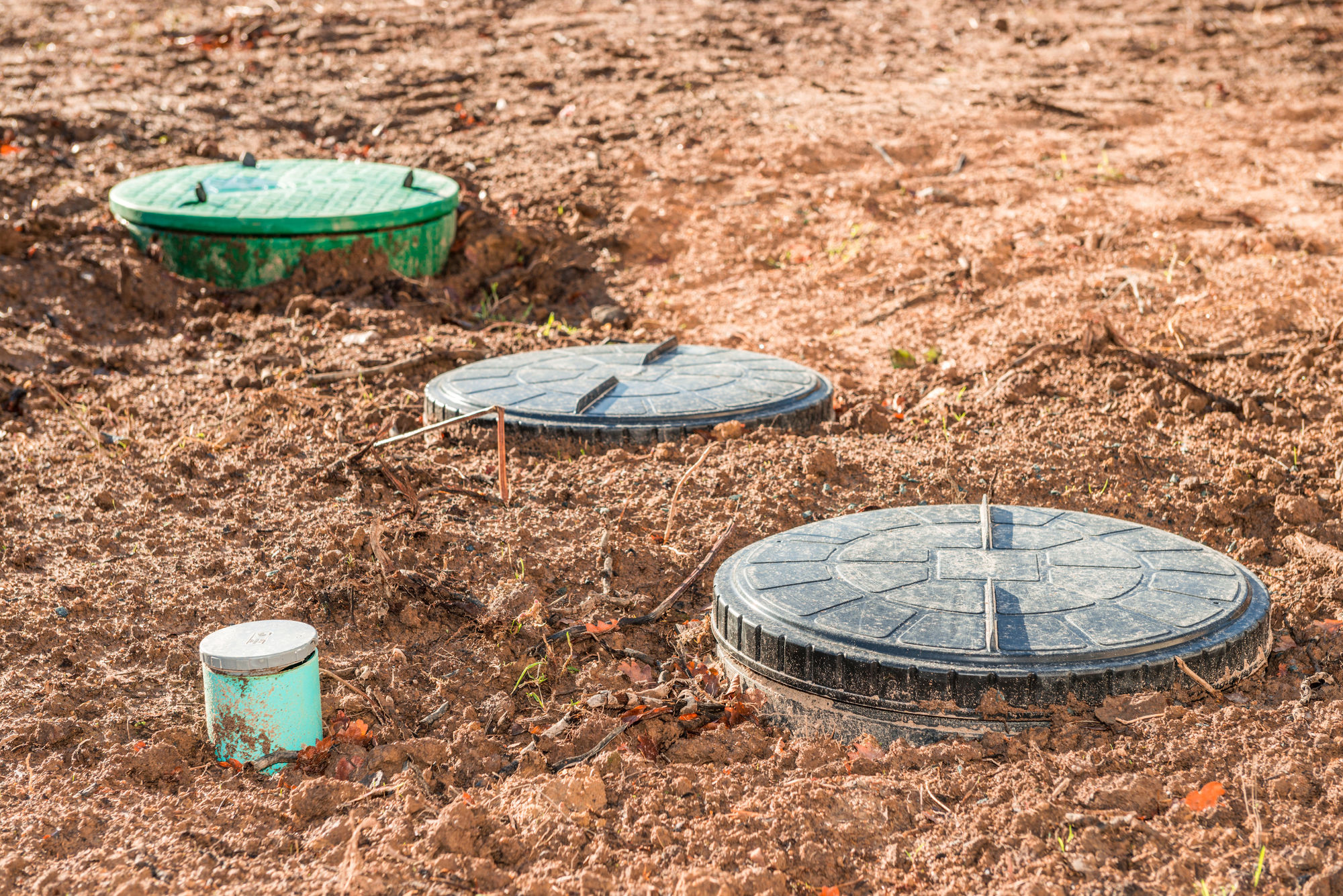
Dry conditions in Northern Colorado can affect more than lawns, landscaping, and foundations. Long periods of hot weather and dry soil can also create problems for septic systems, especially in rural and semi-rural areas that rely on onsite wastewater treatment.
Homeowners in Fort Collins, Loveland, Windsor, Wellington, Greeley, Berthoud, Timnath, Johnstown, and surrounding communities often experience extended dry periods during the summer months. While septic systems are built to handle changing weather conditions, extremely dry soil can sometimes interfere with how the system functions.
Understanding how drought and dry ground affect your septic system can help you catch problems early and avoid unnecessary repairs.
How Your Septic System Depends on Soil
A septic system does more than store wastewater inside a tank. After solids separate in the tank, liquid wastewater flows into the drain field where soil helps naturally filter and treat the water.
The drain field depends on healthy soil conditions to work properly. Moisture levels, soil composition, and drainage all play a role in how efficiently wastewater moves through the ground.
In many parts of Larimer County and Weld County, soil conditions can vary widely. Some areas have sandy soil with fast drainage, while others contain dense clay that expands and contracts depending on moisture levels.
What Happens When Soil Becomes Too Dry?
Dry soil can shift, crack, and compact over time. These changes may place stress on septic system components underground.
During extended dry weather, several issues can develop.
Soil Shrinkage Around Pipes
As soil dries out, it may pull away from buried septic pipes. This can reduce support around the piping and increase the risk of movement or settling.
Over time, shifting pipes may develop connection problems, leaks, or improper drainage.
Drain Field Stress
Extremely dry soil can harden and become compacted. When this happens, wastewater may not absorb into the ground as evenly as it should.
The drain field works best when the soil maintains balanced moisture levels. Soil that becomes overly dry and compacted may slow proper filtration in some situations.
Cracking in Clay-Heavy Soil
Some areas around Greeley, Windsor, and Wellington contain clay-heavy soil that reacts strongly to moisture changes. During dry conditions, clay soil may shrink and form gaps underground.
As moisture returns, the soil expands again. This repeated movement can place stress on septic lines and other buried components over time.
Damage From Heavy Vehicles on Dry Ground
Dry soil often becomes harder and more compacted during the summer. Homeowners sometimes assume this makes it safe to drive or park over the drain field. Unfortunately, the opposite can happen.
The weight of vehicles, trailers, or heavy equipment can damage pipes and compact the soil even further. Compacted drain fields cannot absorb wastewater efficiently.
Signs Dry Conditions May Be Affecting Your Septic System
Dry-weather septic issues do not always appear immediately. In some cases, homeowners notice subtle warning signs first.
Watch for:
- Slow drains inside the home
- Gurgling plumbing fixtures
- Unpleasant odors near the drain field
- Unusually dry or stressed grass over the drain field
- Sewage backups
- Pooling water after irrigation or rainfall
These symptoms can have multiple causes, but they may indicate that the system is struggling to process wastewater properly.
How to Protect Your Septic System During Dry Colorado Summers
Use Water Consistently
Very low household water use during dry periods can sometimes contribute to soil hardening around the drain field. Regular, balanced water use helps maintain healthier moisture levels underground.
The goal is consistency, not excessive water use.
Avoid Overwatering the Drain Field
While dry soil can create issues, too much irrigation around the septic system can also cause problems. Avoid directing sprinklers heavily onto the drain field.
Too much water may oversaturate the soil and reduce proper drainage.
Keep Heavy Traffic Off the System
Do not drive, park, or place heavy structures over the septic tank or drain field. This is especially important during long dry periods when compacted soil becomes more vulnerable to damage.
Stay Current on Septic Tank Pumping
Routine septic tank pumping helps reduce stress on the entire system. Removing excess sludge allows wastewater to flow more efficiently into the drain field.
Regular maintenance is especially important for older systems throughout Northern Colorado communities like Fort Collins, Loveland, Eaton, Severance, Milliken, and Platteville.
Local Septic Service in Northern Colorado
Colorado weather can be tough on septic systems. From heavy spring moisture to dry summer conditions, changing soil movement and drainage patterns can affect how your system performs over time.
At Sep-Tech, we provide septic tank pumping, inspections, septic locating, repairs, and related services throughout Northern Colorado, including Fort Collins, Loveland, Windsor, Wellington, Greeley, Timnath, Johnstown, Berthoud, Eaton, Severance, and nearby communities. Call us to schedule septic service or ask questions about protecting your septic system during Colorado’s dry summer months.